TW1 Professional Carpet Cleaning and DIY Comparison Guide
If you're trying to decide between hiring a pro or doing it yourself, you're not alone. Carpet care looks simple from the outside, but once you're standing there with a stubborn stain, a rented machine, and a carpet that still smells a bit damp two days later, the choice becomes less obvious. This TW1 professional carpet cleaning and DIY comparison guide breaks it down plainly: what each method can do, where each one falls short, and how to choose the right option for your home, office, or rental property.
Truth be told, most carpets need more than a quick vacuum and a bit of hopeful scrubbing. The right approach depends on fibre type, soil level, foot traffic, pets, spills, and how much drying time you can tolerate. In this guide, you'll get a practical comparison, step-by-step advice, common mistakes to avoid, and a realistic view of when professional cleaning is worth it.
Contents
- Why TW1 professional carpet cleaning and DIY comparison guide Matters
- How TW1 professional carpet cleaning and DIY comparison guide Works
- Key Benefits and Practical Advantages
- Who This Is For and When It Makes Sense
- Step-by-Step Guidance
- Expert Tips for Better Results
- Common Mistakes to Avoid
- Tools, Resources and Recommendations
- Law, Compliance, Standards, or Best Practice
- Options, Methods, or Comparison Table
- Case Study or Real-World Example
- Practical Checklist
- Conclusion
- Frequently Asked Questions
Why TW1 professional carpet cleaning and DIY comparison guide Matters
Carpets do a lot of invisible work. They catch dust, hold onto fine grit from shoes, absorb food spills, and quietly trap pet odours long before anyone notices. In a busy TW1 household, that buildup can creep up fast, especially in hallways, lounges, stairs, and anywhere people tend to kick off their shoes and forget about the mess underfoot.
This comparison matters because carpet cleaning is not just about appearance. It affects how long a carpet lasts, how fresh a room feels, and how much effort you end up spending later. A rushed DIY clean can make a stain set deeper, push moisture into the backing, or leave behind residue that attracts dirt even faster. A professional clean, on the other hand, can be a lot more effective, but it is not always necessary for every situation.
So what should you actually do? That depends on the job. Light surface dirt after a rainy week is one thing. A red wine spill, pet accident, or years of compacted traffic lanes is something else entirely. This guide helps you match the method to the problem, which is usually where people save time, money, and a fair bit of frustration.
Expert summary: DIY carpet cleaning is best for light maintenance and small, fresh marks. Professional cleaning is usually the better choice for deeper soil, recurring stains, odours, delicate fibres, and carpets you want to keep looking good for longer.
How TW1 professional carpet cleaning and DIY comparison guide Works
The easiest way to compare the two approaches is to look at process, equipment, and outcome. DIY cleaning generally relies on domestic products, rented machines, or small handheld tools. Professional carpet cleaning uses stronger extraction equipment, targeted pre-treatment, and experience with fibre-safe cleaning methods.
In a typical professional clean, a technician will usually inspect the carpet, identify the fibre type where possible, pre-treat stains, agitate the surface if needed, then extract soil and moisture with a high-powered system. Depending on the carpet and the cleaning method, drying can be much faster and more even than with domestic equipment. If you want a deeper look at specialist extraction methods, the steam carpet cleaning service explains one of the most common approaches.
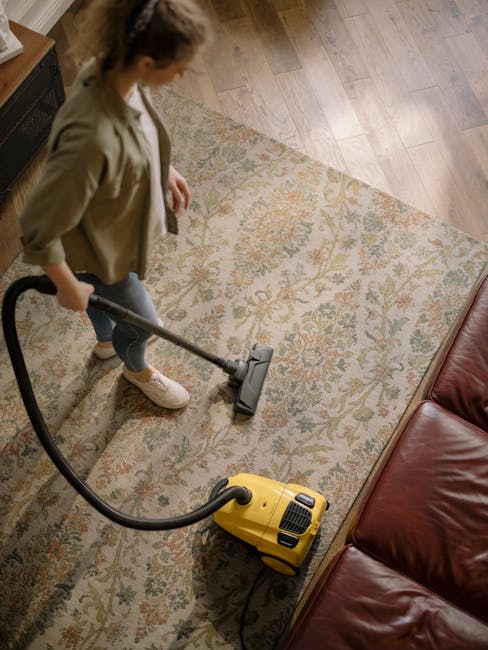
DIY cleaning is more variable. You might vacuum thoroughly, spot treat, shampoo a section, rinse it back, then hope the carpet dries without a sour smell or tide marks. Sometimes it works well enough. Sometimes it doesn't. A lot depends on how much water you use, how evenly you rinse, and whether the carpet is already heavily soiled. And yes, it can be a bit of a faff.
Professional cleaning also brings an understanding of what not to do. For example, wool, blended fibres, and older carpets can react badly to strong detergents or over-wetting. A trained cleaner is more likely to spot these risks before they become expensive mistakes.
Key Benefits and Practical Advantages
Both options have their place, but they serve different needs. If you're looking for the practical upside of each method, it helps to think beyond the basic "cheap versus expensive" debate.
Benefits of professional carpet cleaning
- Deeper soil removal: Better equipment can pull out compacted dirt from deeper in the pile.
- More reliable stain treatment: Professionals usually know how to approach food spills, drink marks, tracked-in mud, and pet-related issues.
- Better odour control: This matters if a room has that faint damp or "lived-in" smell you can't quite shift.
- Faster, more even results: Proper extraction and controlled moisture usually mean better drying.
- Less risk to the carpet: The right method reduces the chance of overwetting, residue, or colour damage.
Benefits of DIY carpet cleaning
- Lower upfront cost: Handy for small jobs or budget-driven maintenance.
- Immediate convenience: You can tackle a fresh spill straight away.
- Good for light upkeep: Perfect for spot cleaning between deeper cleans.
- Flexible timing: No need to book anyone or wait around for an appointment.
The key advantage is control. With professional cleaning, you pay for skill and equipment. With DIY, you trade some of that power for convenience and a lower bill. The right choice depends on how much risk you are willing to accept and how much you value the finish.
If your carpet is part of a larger cleaning project, it may also help to think about other furnishings in the room. A fresh carpet can make a tired sofa look even more obvious, which is why some customers combine carpet care with upholstery cleaning or sofa cleaning for a more even result across the space.
Who This Is For and When It Makes Sense
This comparison is useful for more people than you might expect. Homeowners, tenants, landlords, property managers, small businesses, and anyone dealing with high-traffic floors can all benefit from making a better choice.
Professional cleaning makes more sense if:
- the carpet has old, set-in stains
- pets have had repeated accidents in the same area
- there is visible traffic lane darkening
- the carpet smells stale, damp, or musty
- you have invested in a quality carpet and want to protect it
- you are preparing a property for sale, let, or inspection
- the carpet is in a commercial space that sees heavy use
DIY makes more sense if:
- you are dealing with a small, fresh spill
- the carpet just needs routine freshening up
- you can dry the room properly afterwards
- you are cleaning a low-risk area like a spare room
- you are comfortable testing products carefully first
Let's face it, not every carpet needs a deep restorative treatment. But if you've got a rental changeover or a family room that takes constant traffic, DIY alone can be a bit optimistic. In those cases, a more structured clean is usually worth it.
Step-by-Step Guidance
Here's a sensible way to think through the decision and the cleaning process itself.
Step 1: Inspect the carpet properly
Look at the problem in daylight if you can. Check for stains, worn paths, pilling, fading, and areas that stay damp longer than others. Smell the room too. That sounds odd, but odour often tells you more than the eye does.
Step 2: Identify the carpet type
Not every carpet reacts the same way. Wool, synthetic fibres, and blends behave differently under moisture and detergent. If you are unsure, a cautious spot test in a hidden corner is wise. Don't just dive in with a strong cleaner because the label looks reassuring. Labels can be cheeky like that.
Step 3: Decide whether the issue is maintenance or restoration
Maintenance means regular freshening, removing loose dirt, and dealing with small marks. Restoration means tackling ground-in soil, odours, and long-term dullness. That distinction matters because it tells you whether a domestic product will do the job or whether professional help will probably save you a second attempt.
Step 4: Choose the method
- Vacuum and spot clean for light maintenance.
- Low-moisture DIY cleaning for controlled, small-scale refreshes.
- Professional hot water extraction or targeted deep cleaning for broader soil and stubborn marks.
Step 5: Protect the room before cleaning
Move light furniture, pick up loose items, and check for anything that could stain when damp. If you are using water-based products, keep sockets, leads, and delicate furniture legs out of the splash zone. A few minutes of preparation saves a lot of annoyance later.
Step 6: Clean in sections
If you are doing it yourself, work in small areas so you can control moisture and avoid missed patches. Overlap each pass slightly. Do not soak the carpet and hope for the best. That is how you end up with slow drying and that faint squelchy feeling nobody wants.
Step 7: Dry thoroughly
Open windows if the weather allows, use airflow, and avoid walking on the carpet too soon. The drying stage is where many DIY jobs go a little wrong. A carpet can look fine on the surface and still be damp underneath.
Step 8: Check the result after drying
Once the fibres are fully dry, inspect for repeat staining, residue, or patchiness. If the carpet still looks dull or smells off, the problem may be deeper than surface dirt.
Expert Tips for Better Results
Small adjustments can make a big difference. In our experience, this is where the gap between "good enough" and "actually impressive" really shows.
- Vacuum first, always. Removing loose grit before any wet cleaning helps prevent abrasion and mudding.
- Use less product than you think. More detergent does not equal more clean. Often it means more residue.
- Test in an inconspicuous area. Especially with older carpets or unknown fibres.
- Blot, don't scrub. Scrubbing can distort the pile and spread the stain.
- Work from the outside of a stain inward. That reduces the risk of spreading the mark.
- Prioritise drying. A clean carpet that stays wet too long is heading into trouble.
- Use targeted stain removal for specific problems. General cleaners are not always enough. For stubborn marks, a focused stain removal approach is often better than treating the whole carpet unnecessarily.
If you are dealing with pet mess, extra care is needed. Urine and odour can move beneath the visible fibres, so a surface clean may only mask the issue for a short time. That's when a dedicated pet stain and odour removal service can be more effective than repeated DIY attempts.
Common Mistakes to Avoid
Most carpet-cleaning problems come from a few familiar mistakes. The awkward thing is, they often look harmless at first.
- Using too much water: This can lead to wick-back stains, longer drying times, and backing damage.
- Skipping pre-vacuuming: Dirt turns into slurry once it meets moisture.
- Using the wrong detergent: Harsh or unsuitable products can bleach, dull, or leave sticky residue.
- Over-rubbing stains: This pushes soil deeper and roughs up the pile.
- Ignoring fibre type: Wool and delicate blends need more care than generic labels suggest.
- Cleaning only the visible spot: The surrounding area may also be affected, which is why patchy results happen.
- Forgetting ventilation: Without it, carpets can stay damp and smell stale.
One common headache is the "clean ring" effect, where the centre of a stain is treated but the edges still show. It's small, but once you see it, you cannot unsee it. Professionals tend to avoid that by feathering treatment into the surrounding fibres rather than attacking one tiny spot in isolation.
Tools, Resources and Recommendations
If you are leaning DIY, keep your toolkit sensible rather than elaborate. You do not need a van full of gear. You need the right basics and a steady hand.
Useful DIY basics
- a reliable vacuum cleaner with decent suction
- clean white cloths or microfibre towels
- a mild carpet-safe spot cleaner
- lukewarm water in small amounts
- a soft brush for gentle agitation, if suitable
- fans or open windows for drying
When a professional-style result matters more than saving time
There are moments when a better finish matters more than convenience. End-of-tenancy cleans, allergy-sensitive households, after-party accidents, and homes with children or pets often benefit from a more thorough approach. In those cases, professional carpet care can be the more practical option, even if the upfront cost is higher.
If you need broader care for the room, you might also consider rug cleaning for loose floor coverings or mattress cleaning if allergens and odours are part of the wider problem. A room rarely has just one dirty item, does it?
Law, Compliance, Standards, or Best Practice
For household carpet cleaning, there is not usually a complex legal framework you need to worry about. The bigger issues are safety, product use, and honest expectations. That said, best practice still matters, especially in homes with children, pets, tenants, or staff.
In the UK, it is sensible to follow product instructions carefully, keep cleaning chemicals away from food preparation areas, and avoid mixing products unless the label explicitly allows it. Ventilation matters. So does safe handling of electrical equipment around moisture. If you are cleaning in a rented property or a workplace, it is wise to check your duties under your tenancy agreement, building rules, or internal health and safety procedures.
For commercial settings, expectations are higher because footfall, appearance, and slip risks all come into play. A business may need regular carpet maintenance to reduce wear and keep the space presentable. If that sounds familiar, the commercial carpet cleaning page is a helpful place to understand how larger or busier premises are typically handled.
When hiring anyone to work in your home, insurance and safety should not be treated as a throwaway detail. Ask sensible questions, check what is covered, and make sure you are comfortable with the process. The page on insurance and safety is worth a look if you want reassurance around professional work practices.
There is also an environmental side to think about. Overuse of chemicals and repeated failed DIY attempts can waste water and product. Where possible, choose methods that clean effectively without unnecessary waste. The site's recycling and sustainability information reflects that broader mindset.
Options, Methods, or Comparison Table
Here is a straightforward comparison to help you choose.
| Factor | DIY Carpet Cleaning | Professional Carpet Cleaning |
|---|---|---|
| Upfront cost | Usually lower | Usually higher, but more comprehensive |
| Cleaning depth | Good for surface-level issues | Better for embedded dirt and heavier soil |
| Stain removal | Works on fresh or light marks | Stronger for set-in or tricky stains |
| Drying control | Depends on equipment and technique | Typically better controlled |
| Risk of damage | Higher if product or moisture use is wrong | Lower when the right method is chosen |
| Time and effort | You do the work yourself | Less hands-on effort for you |
| Best for | Light maintenance and quick fixes | Deep cleaning, odours, and high-traffic carpets |
There are a few method choices within professional cleaning as well. Steam-style extraction is often used for deep soil removal, while more targeted approaches may suit delicate or lightly soiled carpets. The right method is not always the most aggressive one. Sometimes the smarter choice is the more controlled one.
Case Study or Real-World Example
Picture a typical TW1 family sitting room on a wet Monday in November. Shoes have been in and out, the dog has been in too, and there is a faint trail of muddy prints that no amount of "we'll sort it later" seems to fix. There's also an old coffee mark near the armchair and a slightly stale smell that becomes obvious only once the windows are shut.
The homeowner first tries DIY. A vacuum, a supermarket spot cleaner, a cloth, then a rented machine for the larger area. The fresh marks improve a bit, but the coffee stain leaves a shadow, the traffic lane still looks grey, and the carpet takes most of the day to dry. Not disastrous, just underwhelming.
After that, a professional clean is booked. The heavier soil is lifted more evenly, the stain is treated more carefully, and the room smells cleaner without being heavily perfumed. The biggest difference, oddly enough, is not just how it looks. It's how the whole room feels the next morning: lighter, fresher, less worn-in. Small detail, big effect.
That's the real lesson. DIY can work brilliantly for maintenance. But once the carpet has moved beyond routine care, a professional process often gives you a finish that is hard to match at home.
Practical Checklist
Use this before you decide whether to clean the carpet yourself or bring in a professional.
- Have I identified the carpet fibre and any sensitive areas?
- Is the stain fresh, old, or recurring?
- Is there a smell as well as visible dirt?
- Do I have time for proper drying?
- Will the room be used heavily soon after cleaning?
- Am I confident using the product or machine safely?
- Is the carpet valuable, delicate, or already worn?
- Would a deeper clean protect the carpet better in the long run?
- Do I need help with rugs, sofas, or other upholstered items too?
- Would a professional quote be a better value than buying products and renting equipment twice?
If you answered "yes" to several of the riskier questions, professional cleaning is probably the calmer route. Sometimes the sensible choice is the boring choice. That is fine.
Conclusion
The best choice between professional carpet cleaning and DIY is not about pride or guesswork. It is about matching the method to the carpet, the problem, and the outcome you actually want. DIY is excellent for routine care, small spills, and light refreshes. Professional cleaning is stronger for deep soil, set stains, pet odours, and carpets that need a more complete reset.
If you want the simplest rule, use this: clean it yourself when the issue is small and contained; call in a professional when the problem is broader, older, or more important to get right the first time. That approach saves money more often than not, and it saves the kind of frustration that tends to show up halfway through a wet afternoon.
For readers comparing services, checking coverage, or planning a proper refresh, it can also help to review the cleaner's broader service information and trust pages, including about us, pricing and quotes, and contact us. Knowing what to expect makes the whole process feel much easier.
Get a free quote today and see how much you can save.
And if you're still weighing it up, that's normal. The right carpet clean should feel like a relief, not another job on the list. A fresh floor can change the whole room, really.
Frequently Asked Questions
Is DIY carpet cleaning good enough for most homes in TW1?
It can be, if the carpet only needs light maintenance or spot treatment. For heavy traffic, old stains, or odours, DIY often falls short and may leave residue or uneven drying.
When is professional carpet cleaning better than DIY?
Professional cleaning is usually better when stains are set in, the carpet smells stale, pets are involved, or you want a deeper finish with less risk of overwetting.
How often should carpets be professionally cleaned?
That depends on use, pets, children, and traffic levels. Busy homes and commercial spaces usually need deeper cleaning more often than a quiet spare room.
Will carpet cleaning remove every stain?
Not always. Some stains are permanent, some have already damaged the fibre, and some have been set by previous cleaning attempts. A good cleaner will be honest about that.
Is steam carpet cleaning safe for all carpets?
No, not automatically. The carpet fibre, backing, and condition all matter. A suitable method should be chosen based on the carpet, not just on the machine being available.
Why does my carpet smell worse after DIY cleaning?
Usually because too much moisture was used or the carpet was not dried quickly enough. Trapped damp can create a musty smell, especially in older or denser carpets.
Can I clean pet urine out of carpet myself?
You can try for a fresh accident, but repeated or soaked-in pet issues are much harder. Odour often spreads below the visible surface, so professional treatment is often more effective.
Do professional cleaners move furniture?
Some do, some don't, and it depends on the item, access, and arrangement. It is best to ask in advance so you can prepare the room properly.
What is the biggest mistake people make with DIY carpet cleaning?
Using too much water is one of the most common mistakes. It creates long drying times, residue problems, and sometimes hidden damage underneath the surface.
Is professional carpet cleaning worth the cost?
Often, yes, especially if the carpet is valuable, heavily used, or difficult to clean safely at home. The extra cost can be offset by better results and less risk.
Can carpet cleaning help with allergies?
It may help by reducing dust and trapped debris, but results vary. Regular vacuuming and a sensible cleaning schedule are still important, especially in busy homes.
Should I clean carpets before or after decorating?
Usually after decorating, once dust and debris have settled. If you clean first, new paint or renovation dust can undo the work very quickly.
What should I ask before booking a carpet cleaner?
Ask about the cleaning method, drying time, stain expectations, insurance, and what preparation is needed. Clear answers are a good sign.
Can I combine carpet cleaning with other services?
Yes, and that is often sensible if the whole room needs attention. Many people pair carpet cleaning with rug, sofa, upholstery, or mattress care for a more complete refresh.