Eel Pie Island Carpet Cleaning Guide for Riverside Homes
If you live on or near Eel Pie Island, you already know the setting is a little special. The river views are lovely, yes, but riverside homes also bring practical headaches: damp air, muddier foot traffic after wet walks, and carpets that seem to hold on to smells a bit longer than they should. This Eel Pie Island carpet cleaning guide for riverside homes is written for exactly that reality. It explains what matters, how professional cleaning works, what to avoid, and how to keep carpets fresher for longer without turning your week upside down.
Truth be told, carpet care near the Thames is not quite the same as carpet care in a dry suburban street. The environment changes the job. That does not make it complicated; it just means you need the right approach. In this guide, you will get practical steps, useful comparisons, and a few honest observations from real-world cleaning situations that come up again and again.
For readers who want a broader view of home care, the services page for carpet cleaning sits well alongside related treatments like stain removal, pet stain and odour removal, and steam carpet cleaning when different problems overlap.
Table of Contents
- Why Eel Pie Island carpet cleaning guide for riverside homes Matters
- How Eel Pie Island carpet cleaning guide for riverside homes Works
- Key Benefits and Practical Advantages
- Who This Is For and When It Makes Sense
- Step-by-Step Guidance
- Expert Tips for Better Results
- Common Mistakes to Avoid
- Tools, Resources and Recommendations
- Law, Compliance, Standards, or Best Practice
- Options, Methods, or Comparison Table
- Case Study or Real-World Example
- Practical Checklist
- Conclusion
- Frequently Asked Questions
Why Eel Pie Island carpet cleaning guide for riverside homes Matters
Riverside homes have character. They also have quirks. Carpets in these properties often face a combination of moisture, tracked-in grit, occasional condensation near windows, and the everyday wear that comes from narrow hallways, stairs, and busy family rooms. On Eel Pie Island, that can be even more noticeable because the local microclimate and river air can make fabrics feel tired faster than you expect.
Why does that matter? Because carpets are not just decorative. They affect the way a home smells, how healthy the indoor environment feels, and how much life you get from the flooring under your feet. Once fibres start trapping moisture, dirt, and fine debris, you can get flattened pile, lingering odours, and stains that seem to settle in overnight. A small spill can turn into a long-term mark if it is left too long. Annoying, but very fixable in most cases.
This is also about protecting your home investment. Quality carpet is not cheap, and replacement costs add up quickly. Regular cleaning is a sensible maintenance habit, especially in homes close to the river where damp and dirt have a way of showing up uninvited. It is not about fussiness. It is about keeping things comfortable and avoiding avoidable wear.
There is also a practical comfort angle. When carpets are cleaned properly, rooms feel brighter, smell cleaner, and simply seem more settled. You notice it when you walk in after a rainy afternoon. The room feels lighter. That matters more than people sometimes admit.
How Eel Pie Island carpet cleaning guide for riverside homes Works
A proper carpet cleaning process starts with understanding the fibre type, the level of soiling, and the type of stain or odour present. Wool, synthetic blends, and delicate loop pile carpets all behave differently. Riverside homes often have a mix of surfaces too, so the technician has to judge the right method instead of using a one-size-fits-all approach. That judgement matters.
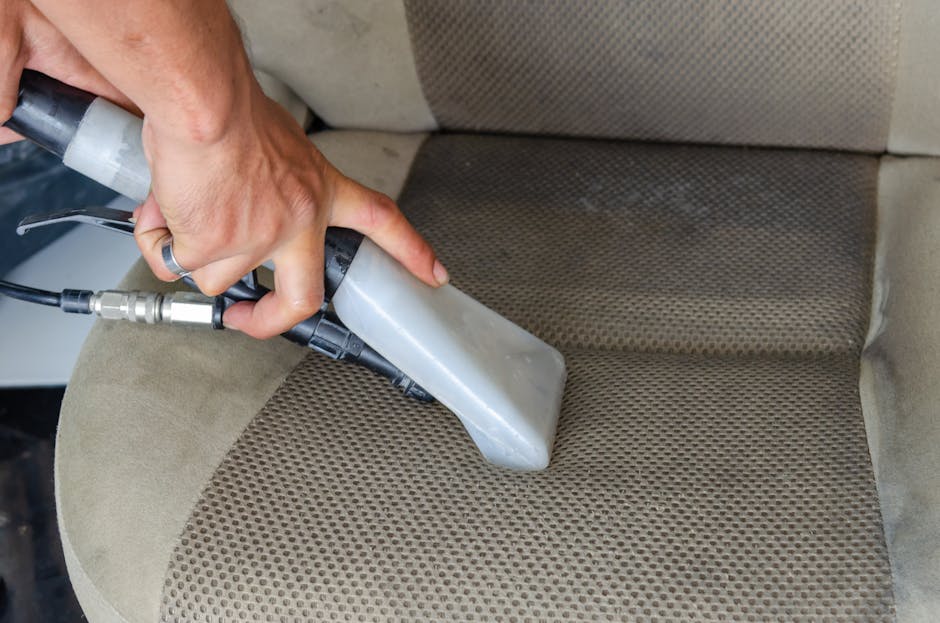
In most cases, professional cleaning follows a sequence: inspection, pre-treatment, agitation, extraction or controlled moisture cleaning, then drying and final grooming. If a carpet has stubborn traffic lanes or embedded grit, a pre-spray helps loosen the dirt before the main clean. If pet odours or old spill marks are present, targeted stain treatment may be needed first. In some homes, a gentler method is best because the underlay or the room layout makes heavy wetting risky.
For many properties, upholstery cleaning and rug cleaning are worth considering at the same time, especially if the living room has fabric sofas or area rugs that trap the same damp air and dust. It is efficient, and frankly it avoids doing the same job twice a month later.
Steam cleaning is often discussed as a catch-all, but it is better to think of it as a controlled hot-water extraction approach rather than a magic wand. The real result depends on good chemistry, the right tool, and drying conditions. Near the river, drying time deserves extra attention. Open windows can help if the weather is dry. If not, a dehumidifier or stronger airflow may be the smarter move.
Key Benefits and Practical Advantages
The benefits of a careful carpet clean go well beyond appearance. For riverside homes, the gains are often felt in day-to-day living. Here is what usually stands out.
- Better indoor freshness: damp air and household odours are less likely to linger in fibres.
- Improved appearance: traffic lanes, dull patches, and old marks often lift noticeably.
- Longer carpet life: removing grit helps reduce abrasion and fibre wear.
- More comfortable rooms: a clean carpet can make a room feel warmer and more cared for.
- Better support for allergy management: while no carpet clean is a cure-all, removing dust and debris can help reduce built-up irritants.
- Quicker reset after spills: if a home sees lots of foot traffic, a good maintenance routine makes recovery easier.
One of the less obvious advantages is confidence. When carpets are fresh, people tend to relax more at home. Guests notice it too, although they usually do not say so directly. They just settle in a bit easier. That is often the sign of a home that feels looked after.
For homes with pets or young children, regular treatment also helps keep small incidents from becoming permanent features. The quicker the response, the better the result. That sounds obvious, but in practice it is where many people fall behind.
Who This Is For and When It Makes Sense
This guide is useful for several types of Eel Pie Island households.
- Riverside residents who notice damp smells, tracked-in silt, or faster re-soiling near entrances.
- Families with children running in and out after school, muddy shoes, or the occasional snack-related accident.
- Pet owners dealing with odours, paw marks, or repeated spot cleaning that never quite finishes the job.
- Landlords and hosts who need carpets to look presentable between tenancies or guest stays.
- Older properties where the carpet may be fitted over uneven subfloors or more delicate materials.
- Busy professionals who want the work done properly without turning it into a weekend project.
When does carpet cleaning make sense? Usually sooner than people think. If you can see shading in walking lines, notice a stale smell after rain, or find that vacuuming no longer lifts the carpet back to life, the fibres are probably holding more than surface dirt. You do not need to wait until everything looks visibly dirty. By then, the job is already harder.
It also makes sense after heavy wet weather, a party, a house move, or any time a room has been under pressure for a while. A stair carpet, for instance, can look acceptable from the landing and still be packed with grit near the nosing. Funny how that happens.
Step-by-Step Guidance
If you want the best result, the process matters. Here is a sensible way to approach carpet cleaning in a riverside home.
- Inspect the carpet carefully. Look for stains, odours, wear patterns, colour fading, and any areas that may need special attention.
- Vacuum thoroughly. Remove loose grit before any moisture is introduced. This step is boring, but it matters a lot.
- Identify problem spots. Note pet areas, entrances, food stains, and furniture marks so nothing gets missed.
- Choose the right treatment. Light soiling may suit a standard clean; stubborn marks might need specialist stain treatment.
- Pre-treat the fibres. A suitable solution helps break down dirt and residues before extraction.
- Clean using controlled moisture. Avoid over-wetting. Riverside homes often need a balanced approach to drying.
- Rinse and extract properly. Removing residues helps the carpet stay fresher for longer.
- Speed up drying. Use airflow, open doors where sensible, or a dehumidifier if the weather is muggy.
- Groom the pile. This helps the carpet dry evenly and look more uniform once finished.
- Check the result in daylight. Natural light often reveals what artificial light hides. Slightly annoying, but useful.
If you are booking a professional service, a clear quote conversation helps. The team should be able to explain what is included, whether stains are treated separately, and how long drying may take. Pages like pricing and quotes and payment and security are helpful for setting expectations before anyone arrives with equipment.
And yes, the first 10 minutes of a visit often tell you a lot. A good cleaner will ask questions, check fibre type, and talk through risks before starting. That is a reassuring sign, not a stall tactic.
Expert Tips for Better Results
Small decisions can make a surprisingly big difference. Here are the habits that tend to improve results in riverside homes.
- Vacuum more often than you think you need to. In wet or windy periods, grit gets brought indoors quickly.
- Use entry mats properly. Not as decoration. They need to be large enough and shaken out regularly.
- Blot, do not rub. Rubbing pushes stains deeper and distorts fibres. Still, people do it. We all do, once.
- Treat spills early. Fresh marks are much easier to lift than old ones.
- Watch drying conditions. On humid days, even a good clean can feel slow to dry if windows are left closed.
- Move furniture thoughtfully. Put protective pads under legs once the carpet is dry.
- Consider seasonal cleaning. Many riverside homes benefit from a spring or autumn refresh, especially after wetter months.
- Keep an eye on hidden zones. Behind sofas, under desks, and around radiators can hold dust and odour longer than open areas.
A useful tip that often gets overlooked: ask whether the cleaner offers targeted treatment for the problem you actually have, not just a general refresh. A pet odour needs a different approach from a tea spill or a muddy boot print. Seems obvious, but that distinction saves disappointment.
For homes with mixed fabrics, it can also make sense to pair carpet care with sofa cleaning or curtain cleaning. That way, the room smells and feels coherent again rather than half-clean and half-tired. Nobody wants that slightly mismatched clean.
Common Mistakes to Avoid
Most carpet problems become harder because of a few predictable mistakes. Avoid these and you are already ahead.
- Waiting too long to treat stains. Old residue is much harder to remove, especially on light carpets.
- Over-wetting the carpet. Too much moisture can lengthen drying and risk musty smells.
- Using the wrong product. A cleaner that works on one fibre can damage another. Wool deserves extra care.
- Scrubbing hard. This can spread the stain and rough up the pile.
- Ignoring underlay or hidden damp. Surface drying is not always enough if moisture has penetrated deeper.
- Skipping pre-vacuuming. That is like washing a muddy car without rinsing it first.
- Cleaning only the obvious area. Spot cleaning just one patch can leave a halo or colour difference.
Another mistake is assuming all cleaning methods are interchangeable. They are not. Some carpets respond beautifully to hot-water extraction; others need a lower-moisture or more delicate approach. The right method depends on the fibre, pile, and condition. If the carpet is old and fragile, more force is not better. Usually it is worse.
And if you are tempted to use a mystery bottle from the back of the cupboard, maybe take a breath first. A little humour aside, those old products are often exactly how a small stain becomes a repair job.
Tools, Resources and Recommendations
You do not need a giant kit to keep carpets in decent shape, but a few practical tools help a lot.
- Quality vacuum cleaner: ideally one with strong suction and a clean filter.
- Microfibre cloths: useful for blotting spills without pushing them around.
- Plain white towels: helpful when you need to apply pressure on a wet spot.
- Entry mats: a proper front-door mat and a second one inside can reduce dirt transfer.
- Furniture pads: reduce compression marks and protect fibres under chair and sofa legs.
- Dehumidifier or fan: especially useful in humid weather or after a deep clean.
- Targeted stain treatment: best used with care and according to the carpet type.
On the service side, some homes benefit from a blended approach. If the carpet looks clean but still smells off, odour treatment may be more useful than a general wash. If you have a hallway rug near a draughty entrance, rug-specific care may be enough. If the whole place needs a reset, a broader clean is usually better value.
It can also help to review a provider's policy pages when choosing who to trust. For example, about us, insurance and safety, health and safety policy, and recycling and sustainability help show how a company thinks about care, responsibility, and the practical details. That is a good sign. It really is.
Law, Compliance, Standards, or Best Practice
For domestic carpet cleaning, the main thing is best practice rather than a complicated legal framework. That said, reputable cleaners should work sensibly around safety, insurance, chemical handling, and waste disposal. In a home setting, you want clear communication about any slip risks, drying time, and whether furniture needs moving beforehand.
UK households also tend to expect straightforward, honest quoting and appropriate care around personal property. If a company enters your home, it is reasonable to expect professionalism, suitable insurance, and careful handling of electrical equipment and cleaning solutions. You do not need a parade of technical detail. You need someone who knows what they are doing and explains it in normal English.
Best practice usually means:
- testing products where needed on less visible areas
- using the least aggressive effective method
- protecting floors and walls during equipment movement
- being honest about stain outcomes, especially with older marks
- keeping customers informed about drying and aftercare
If you are ever unsure about terms or service expectations, the site's terms and conditions and privacy policy are useful places to understand how bookings and personal data are handled. If something is unclear, ask. A good provider will not mind.
Options, Methods, or Comparison Table
Different carpet situations call for different methods. Here is a straightforward comparison to help you think it through.
| Method | Best for | Pros | Watch-outs |
|---|---|---|---|
| Hot-water extraction / steam carpet cleaning | General deep cleaning, traffic lanes, dull carpets | Thorough, effective on embedded dirt, widely used | Needs proper drying and can be too much for delicate fibres if handled badly |
| Low-moisture cleaning | Sensitive carpets, quicker turnaround | Faster drying, less disruption | May be less effective on heavy soiling if used alone |
| Targeted stain treatment | Tea, food, mud, pet incidents | Focuses on the problem area without over-cleaning the whole room | Not every stain can be removed completely, especially if old |
| Rug-specific cleaning | Loose rugs and runners | Can be tailored to fabric and backing | Needs separate handling if the rug is delicate or hand-finished |
| Combined room clean | Busy family rooms and whole-home resets | More consistent finish across soft furnishings | May take longer and need more preparation |
For many riverside homes, the simplest answer is not the most aggressive one. It is the method that cleans well, dries reliably, and suits the carpet fibres. That balance is the sweet spot.
Case Study or Real-World Example
A typical Eel Pie Island job might involve a ground-floor living room with a wool blend carpet, a hallway runner, and a pet bed tucked beside the sofa. The homeowners have noticed a faint damp smell after rainy weekends and a darkening in the hallway where shoes come in from the river path.
Before cleaning, the carpet looks broadly fine at a glance. But in daylight, the traffic lane is obvious. Near the entrance, the fibres feel a bit flat and dusty. The pet area carries a slightly stale odour that vacuuming no longer helps.
The best approach in that situation is usually a careful inspection, pre-treatment on the traffic lanes, a targeted odour treatment near the pet zone, and a controlled clean with good extraction. The cleaner would then encourage airflow and delay furniture replacement until the carpet is properly dry. Not glamorous, but effective.
Afterwards, the room tends to feel brighter within minutes and fresher by later in the day. You can often smell the difference before you fully see it. That is the moment people usually say, almost with surprise, "Oh, that's better." And yes, it usually is.
One small but important observation: the hallway often tells the real story of a riverside home. If the hall is clean, the whole property usually feels easier to maintain. If the hall is neglected, the rest of the home tends to follow. Funny how that works.
Practical Checklist
Use this quick checklist before booking or starting a clean.
- Identify the main problem: dirt, stain, odour, moisture, or general dullness.
- Check the carpet fibre if you know it, or have it assessed.
- Vacuum thoroughly before any wet cleaning.
- Move small items and fragile objects out of the room.
- Note any stain history, especially pet accidents or drink spills.
- Ask how long drying is likely to take.
- Confirm whether furniture moving is included.
- Make sure windows, doors, or airflow can be used safely if needed.
- Keep pets and children away from damp carpets until dry.
- Review aftercare advice once the job is done.
Expert summary: For riverside homes, the winning formula is not just "clean it well." It is clean it well, dry it properly, and choose a method that suits the fibre and the building. That combination prevents most of the headaches people run into later.
Conclusion
The right approach to Eel Pie Island carpet cleaning is simple in principle and a bit more thoughtful in practice. Riverside homes need attention to moisture, grit, odours, and drying conditions, but none of that is a reason to overcomplicate things. With the right inspection, the right method, and a sensible aftercare routine, carpets can stay fresher, last longer, and feel genuinely nicer to live with.
If you remember only one thing, make it this: respond early, clean carefully, and do not rush the drying stage. That one habit saves a lot of hassle. In a home by the water, that matters more than people think.
Get a free quote today and see how much you can save.
And if your home has been feeling a little weighed down by damp weather, muddy shoes, or one stain that has been quietly winning for too long, you can absolutely turn that around. A cleaner carpet has a way of lifting the whole room. Small thing, big difference.
Frequently Asked Questions
How often should riverside homes on Eel Pie Island clean their carpets?
Most homes benefit from regular vacuuming and a deeper professional clean when carpets start to look dull, smell stale, or hold traffic marks. In wetter, busier households, that may be more often than in a low-traffic property.
Does river air make carpets smell damp?
It can contribute, especially if rooms have limited airflow or carpets have absorbed moisture from shoes, pets, or condensation. The smell is often a mix of damp fibres and trapped household odours rather than the river alone.
Is steam cleaning safe for all carpets?
No, not automatically. Steam carpet cleaning works well for many synthetic and wool-blend carpets, but delicate fibres or fragile backings may need a gentler method. A proper inspection matters.
What should I do before a carpet cleaner arrives?
Clear small items from the floor, vacuum if you can, point out stains or problem areas, and make a note of any delicate furniture or electrical equipment nearby. A little prep saves time.
Can old stains still be removed?
Sometimes, yes. But older stains are less predictable because they may have bonded to the fibre or changed colour over time. A cleaner can often improve them a lot, though complete removal is not guaranteed.
How long do carpets take to dry in a riverside home?
That depends on the method used, airflow, humidity, and carpet thickness. On humid days, drying can take longer. Good ventilation makes a real difference, especially near the river.
Are carpet deodorisers a substitute for cleaning?
No. They can mask smells for a while, but they do not remove the dirt or residue causing the odour. If a carpet smells unpleasant, the source usually needs proper treatment.
What is the best way to deal with muddy footprints?
Let the mud dry first, vacuum loose debris, then clean the area with a suitable carpet treatment. Trying to wipe wet mud immediately often spreads it deeper into the pile. A bit counterintuitive, but true.
Should I clean carpets and sofas together?
If the room is due for a proper refresh, yes, that can be a smart move. Carpets, sofas, and rugs all trap dust and odours, so cleaning them together creates a more even result.
Will professional cleaning damage old or delicate carpets?
It should not, if the carpet is assessed properly and the correct method is chosen. The risk usually comes from using too much moisture, the wrong product, or too much agitation.
How do I choose a carpet cleaning company I can trust?
Look for clear communication, sensible pricing, insurance information, and straightforward service details. Pages such as about us, insurance and safety, and contact us can help you judge whether a company is organised and easy to deal with.
What should I avoid after the carpet has been cleaned?
Avoid heavy foot traffic, moving furniture back too soon, or putting rugs over damp areas. Give the carpet time to dry fully so you do not trap moisture underneath.